Gaia’s last child: a birth against the gods
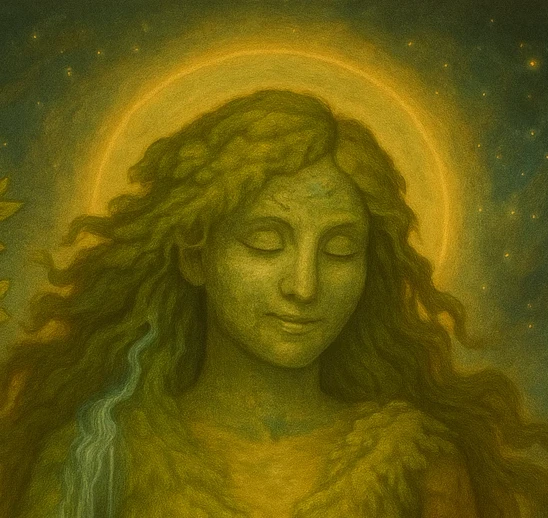
After the defeat of the Titans and the rise of Zeus, Gaia remains inconsolable. Her firstborn children, the Titans, have been vanquished and locked away in Tartarus. Her grief turns to fury. And so, united with Tartarus himself, she brings forth a creature destined to overturn the new order: Typhon.
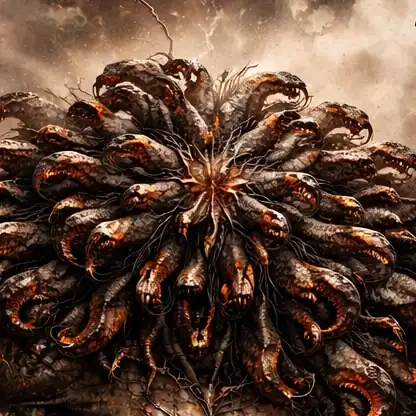
Typhon is no mere monster. He is excess incarnate: a height that reaches the stars; vast wings that blot out the sky; a human torso crowned with a hundred serpent heads; a voice that mingles bellowing, roaring, hissing, and volcanic thunder. Before him, even the Olympian gods tremble.
The panic of Olympus
When Typhon erupts across the lands of Cilicia, his footsteps shake the mountains, the seas, and the very roots of the world. Hera, Apollo, Ares, Poseidon - all momentarily abandon their weapons and flee to Egypt, where, according to tradition, they take animal form to escape destruction.
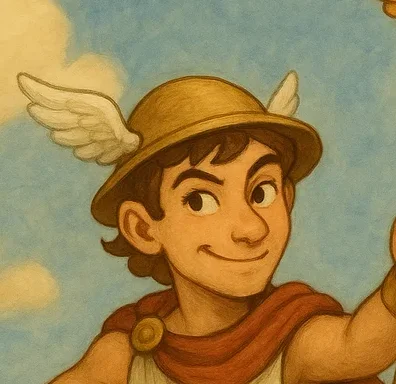
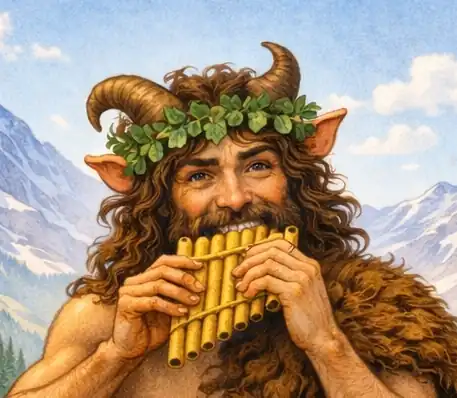
Only Zeus, Hermes, and Pan hold their ground. Hermes stays out of loyalty and trust. Pan - by raw, fierce instinct - lets out a savage cry, a panikos, that reverberates to the heart of chaos.
First clash: lightning against the serpent-titan
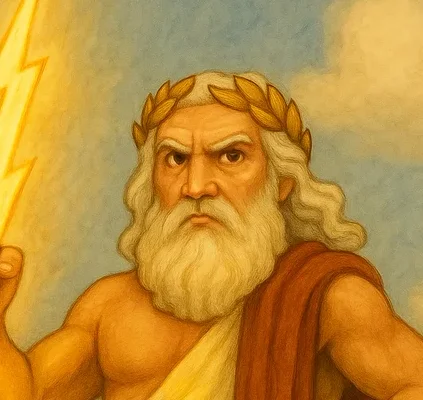
Zeus advances, wielding the Cyclopean thunderbolt, and the battle erupts in a cosmic din. Lightning tears through the air, mountains crack, the seas split open under the blows. Typhon holds firm. He wrenches mountains from the earth and hurls them like stones. He spits fire, he howls, his serpents hiss - each one carrying a venom capable of killing a god.
But Zeus prevails in the first assault. He strikes Typhon down - yet the creature falls without dying.
The reversal: Zeus captured
In a version recorded by Apollodorus, Typhon feigns defeat and withdraws toward Mount Casius. Zeus, confident, draws near. It is a mistake. Typhon lunges, disarms him, severs the tendons of his hands and feet, and hides them inside a bearskin. The sovereign of the gods is immobilized.
The world plunges back into terror.
Hermes and Pan alone dare to act. They steal back the bearskin, restore Zeus’s tendons, and return his power to him. The king of Olympus rises a second time - more terrible than ever.
The final battle: Sicily, tomb of a titan
The ultimate confrontation takes place in Sicily. Zeus unleashes a storm of lightning so violent that the sea heaves, the sky turns white, and the earth splits open. Typhon staggers.
Zeus then seizes the mountain itself and crushes it down upon his enemy. By tradition, that mountain is Etna. Beneath it, Typhon still howls - and earthquakes, rivers of lava, are said to be the echoes of his imprisoned rage.
The Olympian sovereignty definitively established
With the fall of Typhon, Zeus brings to an end the last great revolt of the primordial forces. The Titans are defeated, the Giants scattered, and this son of Tartarus neutralized forever.
The Typhonomachy is not merely a battle: it seals the irrevocable dominion of Zeus; it symbolically closes the era of the archaic powers; and it inscribes into the landscape itself - volcanoes, earthquakes, mountains - the traces of this cosmic duel.
And so concludes the last great trial of the young Olympian reign: a victory won not by force alone, but by determination, cunning, the loyalty of a few allies, and the inexhaustible lightning of the king of the gods. tning of the king of the gods. tning of the king of the gods.