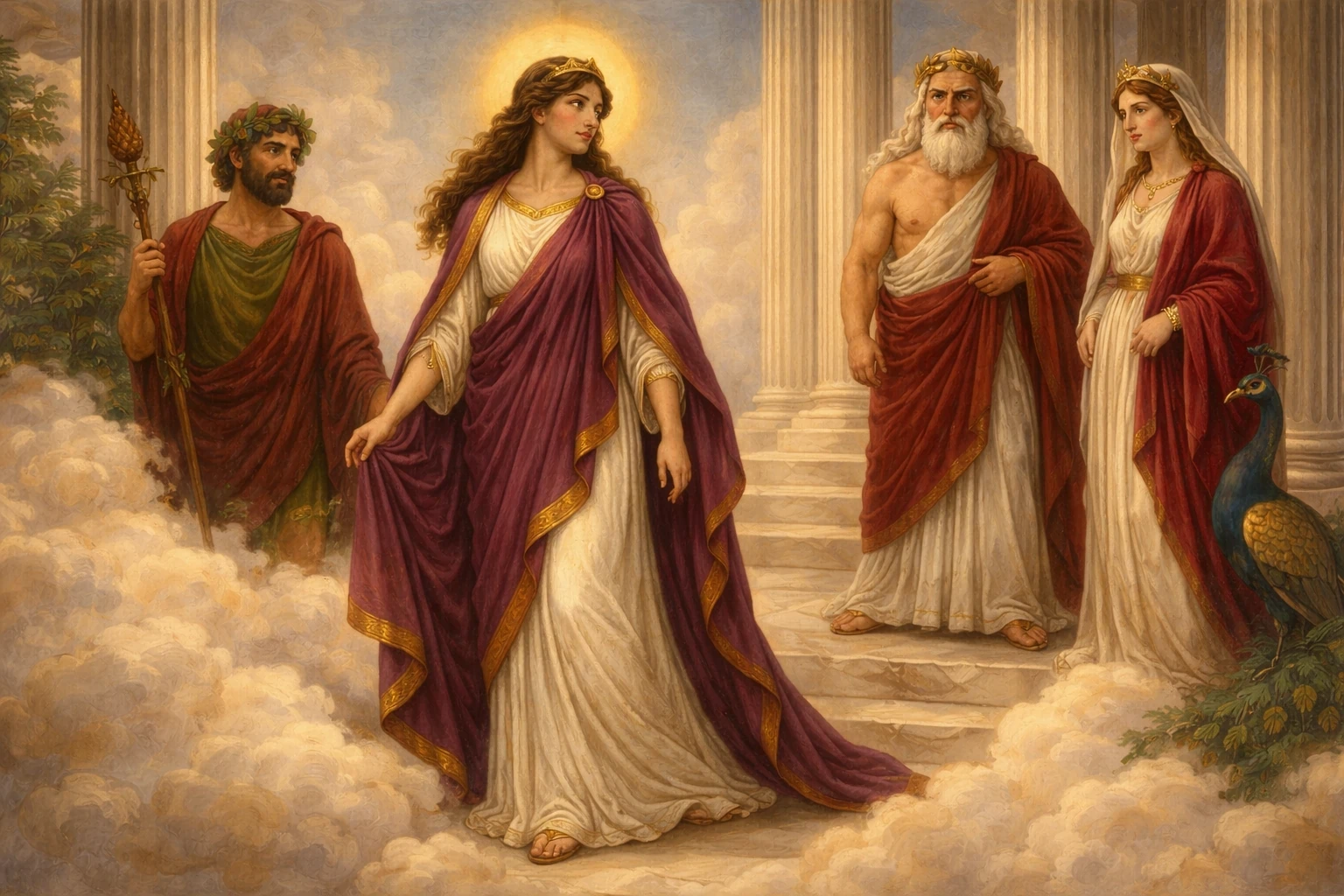
A victory without triumph
When Dionysus returns from the Underworld, he raises no trophy. He holds no celebration. He simply brings back his mother - now Thyone, transformed, made capable of bearing the divine condition. That act is enough; there is nothing left to prove. Dionysus has crossed the ultimate threshold and returned.
Yet this achievement provokes neither enthusiasm nor immediate reconciliation on Olympus. The act is irreversible, but its meaning unsettles: a mortal has been torn from the realm of the dead and introduced among the gods. A fundamental boundary has just been moved.
Thyone, a goddess born of death
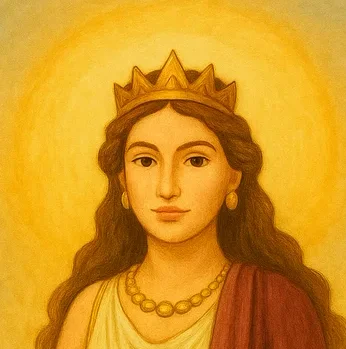
Thyone is not a goddess like the others. She is born neither from the union of two gods nor from an ancient cosmic order. She is a transformed mortal, one who passed through death before reaching immortality. Her presence reminds the Olympians of what they would rather forget: the fragility of the boundaries that underpin their world.
She embodies a form of divinity bound to ecstasy, sacred fervor, and mystery rites. Her place among the gods does not erase her human origins - she retains the memory of them, and that memory troubles the Olympian balance.
The recognition of Dionysus
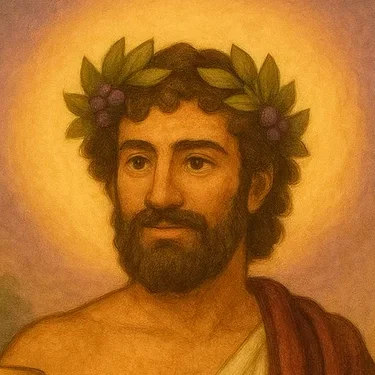
Through this act, Dionysus obtains what had long been denied him. He is no longer merely tolerated or feared - he is fully recognized. Son of Zeus, a god capable of descending into the Underworld and returning, initiator of mysteries: he establishes himself as a power in his own right.
This recognition is not a peaceful integration. Dionysus is not invited to conform to the Olympian order. He enters it as he is: a bearer of disorder, trance, and transformation. His place is accepted precisely because it cannot be removed.
Hera’s enduring hostility
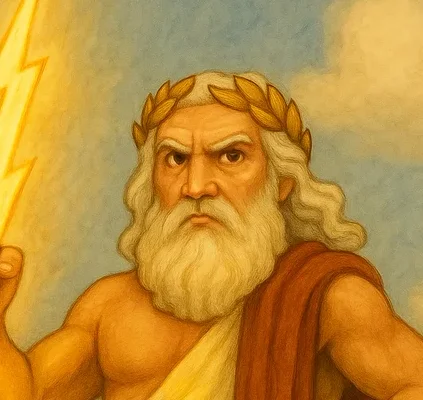
Hera does not reconcile herself. The presence of Thyone and the legitimation of Dionysus reopen an old wound. But her anger can no longer act as it once did: the cycle is closed, the trials have run their course, and the boundaries have been crossed. Hera remains a figure of resistance - no longer capable of destroying, but of reminding that the Olympian order never fully absorbs what threatens it.
A god with an unstable place
And so the Dionysiac cycle draws to a close. Dionysus is now recognized - but never tamed. He takes his seat among the gods without settling: he belongs to Olympus while keeping his ties to the night, the earth, and the dissolution of the self.
His power lies precisely in this instability. Dionysus is the god who reminds us that order is never complete, that measure requires its counterpart, and that transformation is a law as fundamental as stability.
With Thyone among the gods, the cycle closes. Not through appeasement, but through the acceptance of an unsettling truth: the divine world itself cannot function without what troubles it.