Dionysus’s decision
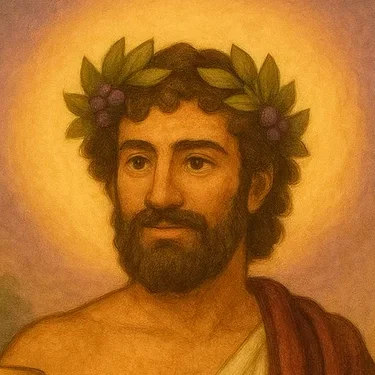
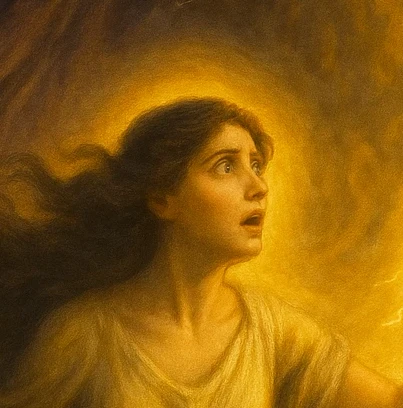
Dionysus has become a recognized god, honored throughout Greece, initiator of mysteries and force of sacred frenzy. Yet despite his ascension, an absence remains: his mother Semele died because of Zeus’s apparition, and her soul wanders in the depths of Hades.
Dionysus regards this as a fundamental injustice. As a mortal, she had no means of withstanding the blaze of divinity. He resolves to right this wrong. His choice is straightforward and absolute: to descend himself into the Underworld and bring his mother back among the gods.
The descent to Hades
According to Pausanias, Dionysus descends through a chasm said to be an entrance to the underworld, near Lerna. The earth opens before him as if the kingdom of Hades recognizes the chthonic authority of the god of wine and trance.
In some Orphic traditions, the Maenads accompany him as far as the threshold of the realm of the dead, beating the ground in rhythm. But Dionysus crosses the gate of shadows alone.
Before Hades and Persephone
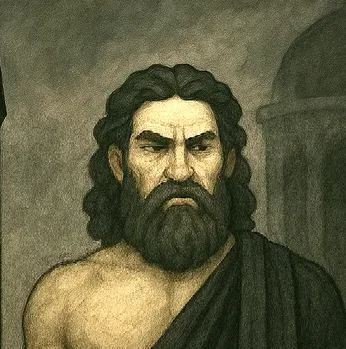
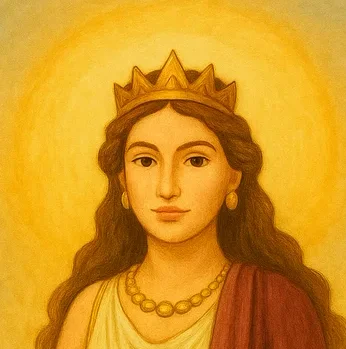
Standing before Hades and Persephone, Dionysus offers neither battle nor provocation. He calmly presents his request: to reclaim Semele’s soul and grant her immortality.
Hades, an impartial sovereign, does not bestow such favors without cause. But Dionysus is no ordinary suppliant. He is a son of Zeus, a bearer of forces bound to the earth and to death, already associated with mysteries of rebirth. The request is judged legitimate. According to Diodorus Siculus, Hades and Persephone agree to release Semele, on the condition that she be transformed in order to sustain divine life.
The reunion with Semele
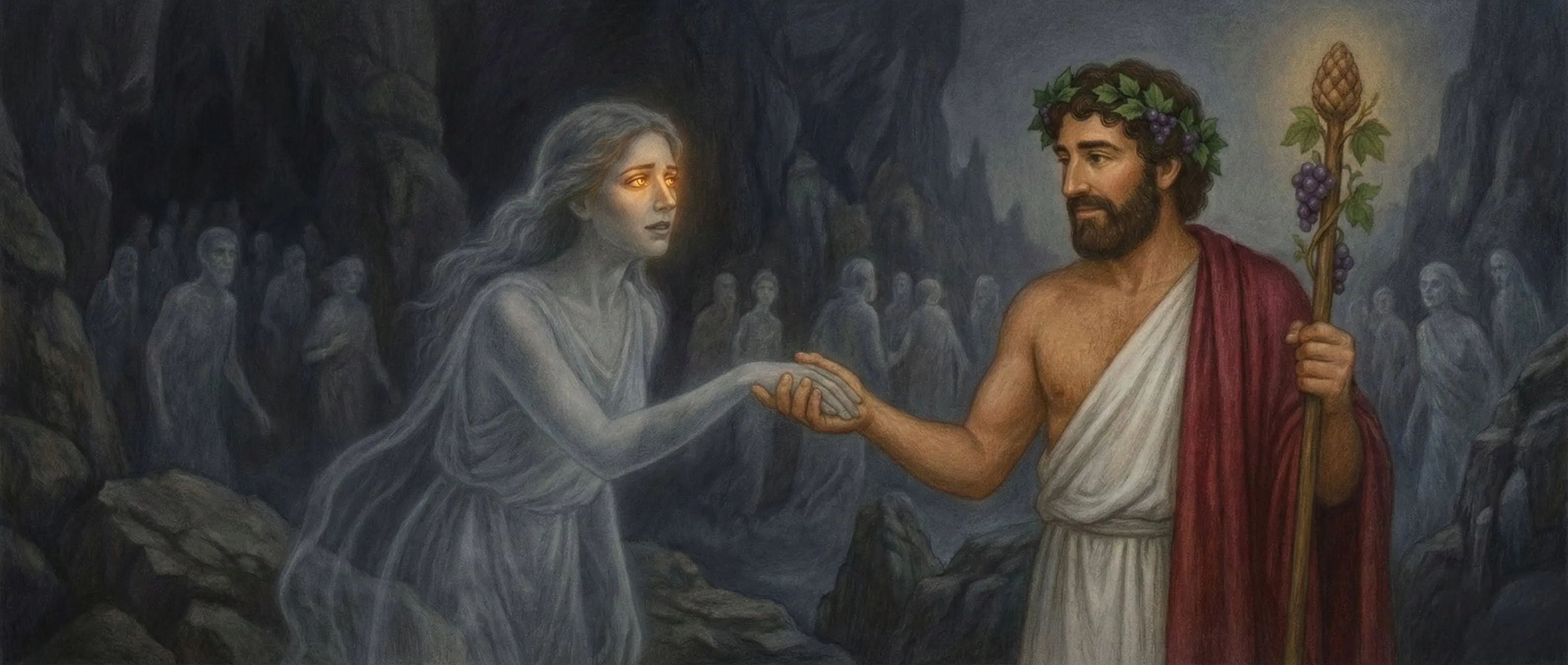
In the depths, Dionysus finds his mother. She is nothing but a shade - stripped of clear identity, like all human souls. Yet the presence of her son awakens a deep memory. She recognizes him.
Dionysus takes her by the hand and begins to lead her back toward the light. But a mortal cannot simply leave the Underworld. To survive, she must change in nature.
The divine birth of Thyone
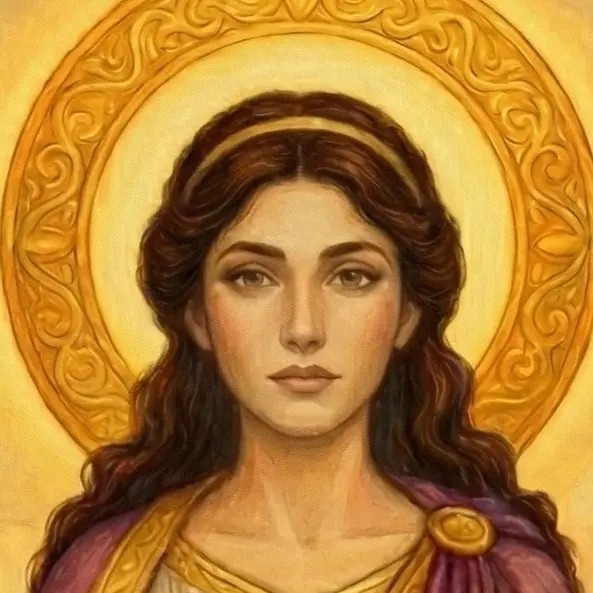
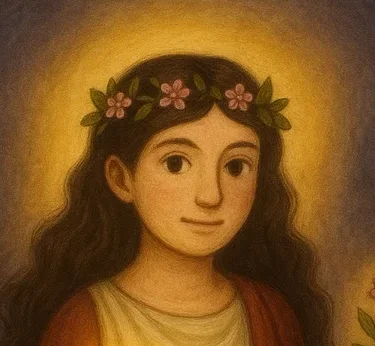
On the threshold of the world of the living, Dionysus performs an act unique in the entire pantheon: he confers immortality upon a mortal. Semele is transformed, purified, reborn under a new name: Thyone.
This transmutation is no mere gesture. It embodies the very essence of Dionysiac theology: to die, to be reborn, to transcend one’s former state. Thyone becomes a goddess associated with mystical ecstasy, sacred fervor, and initiatory rites.
The return to Olympus
Dionysus returns among the gods, guiding his now-immortal mother. The return is no triumphant procession - it is a fait accompli. A boundary has been crossed, and no one can close it again.
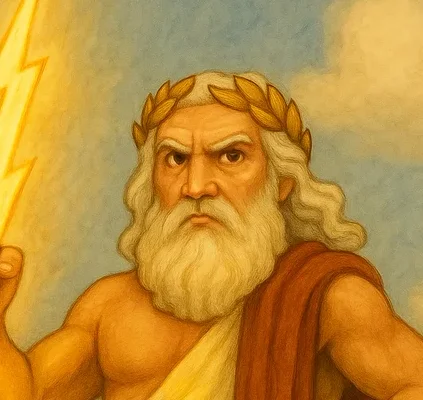
Zeus, aware of his own responsibility in Semele’s death, welcomes Thyone without reservation. He acknowledges his son’s act and accepts the presence of a former mortal among the immortals.
Hera seethes. The transformation of Semele and her admission to Olympus reopen an old wound. But this time, her anger can no longer act. What has been done was done according to laws older even than her jealousy.
Semele - now Thyone - takes her place among the gods. She is no longer a Theban princess, nor a shade in the Underworld. She is an immortal born of death: silent witness to an order that has just been displaced.
Dionysus’s descent draws to a close. But the act he has accomplished does not close in upon itself. A mortal has crossed the ultimate threshold, and the divine world must now reckon with that transgression.